
Why the Company That Designs Your Battery Should Also Be the One That Builds It
The split-responsibility model in energy storage procurement looks reasonable on paper and creates problems in practice. Here is why single-source EPC delivery changes the risk profile of a BESS project.
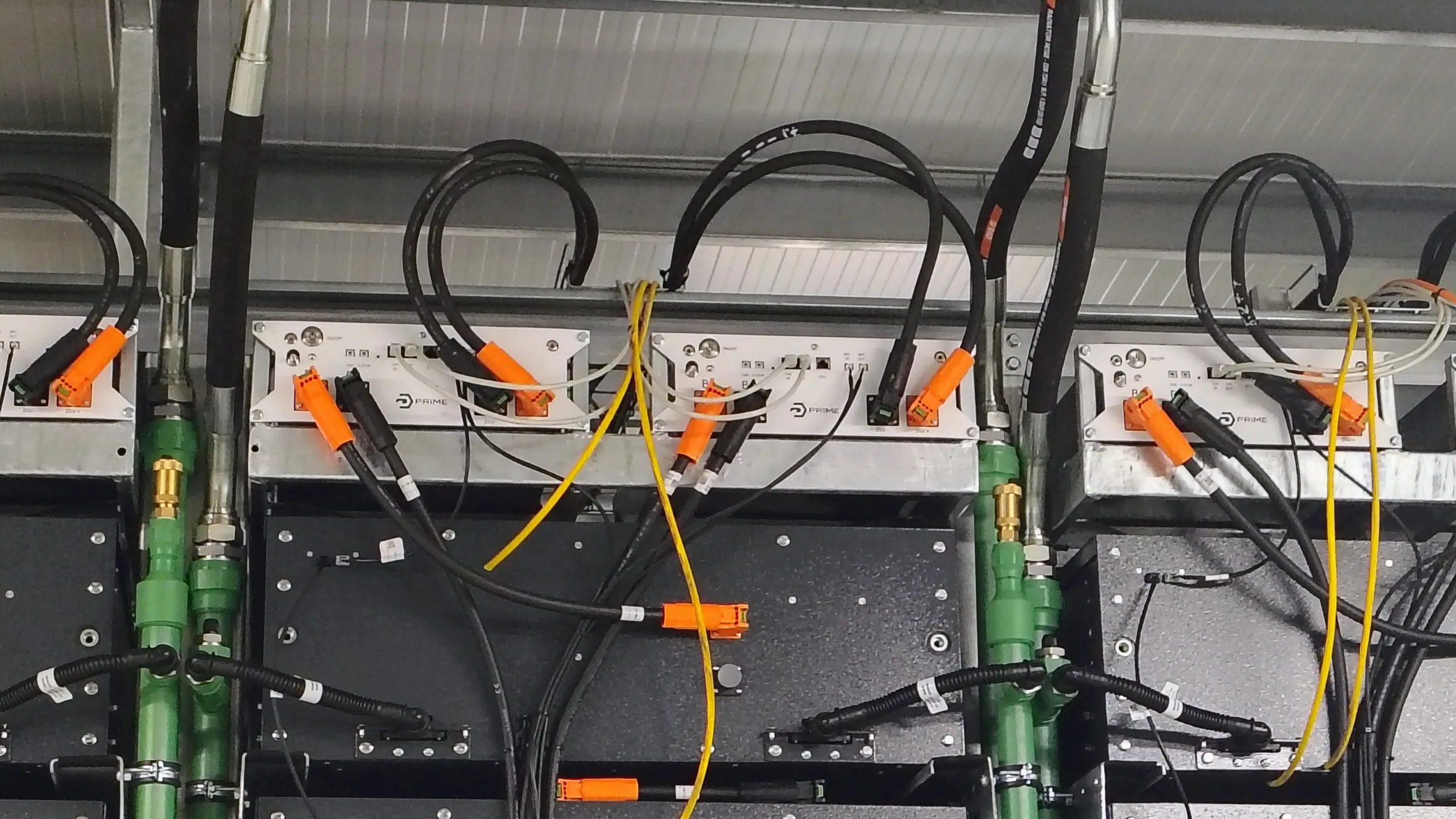
There's a procurement pattern in the energy storage industry that looks reasonable on paper and creates problems in practice.
A developer selects a technology based on specs and pricing. They contract an EPC firm to deliver the project. The EPC firm sources the battery system from a manufacturer. The manufacturer sources the cells from a supplier. By the time the system is commissioned, four separate entities have touched the project — and none of them is fully responsible for how the whole thing performs.
This is the split-responsibility model. It's common. It's also the source of most of the disputes, delays, and performance shortfalls that experienced BESS operators have learned to avoid.
What EPC means and why it matters
EPC stands for Engineering, Procurement, and Construction. In practice, it describes who is responsible for delivering a working system, not just delivering equipment.
The distinction matters because a battery storage project is not a product. It's a system. The cells, the battery management system, the power conversion equipment, the thermal management, the grid connection, the SCADA interface, and the commissioning process interact with one another. A system designed by one entity and built by another, using components sourced by a third party, is one in which the integrating intelligence is distributed across parties who don't share accountability.
When something underperforms — and in complex electromechanical systems, underperformance is not an exception; it's something to be engineered against — the question of who's responsible becomes genuinely ambiguous.
The manufacturer points to the installation. The EPC contractor points to the spec. The cell supplier points to the operating parameters. The developer is left holding a warranty claim that nobody wants to own.
This isn't a hypothetical scenario. It's a pattern that project finance teams, insurers, and experienced operators have spent the last several years documenting.
The integration challenge
A battery system's performance over ten or fifteen years depends on decisions made at the design stage that have nothing to do with individual component specs.
State-of-charge windows. Thermal management thresholds. Charge and discharge rate profiles. These parameters are set during engineering, and they interact with each other in ways that only become visible at the system level. A cell that performs at specification in isolation may degrade faster than expected when operated in a module designed by a different team, managed by a BMS tuned by a third party, and deployed in a thermal environment that wasn't modelled until construction.
The companies that have built the most reliable BESS systems aren't the ones with the best individual components. They're the ones where the same engineering team made decisions about cells, modules, BMS, and integration.
This is what vertical integration actually means in energy storage. Not a claim about manufacturing geography. A design methodology where the engineer who specifies the cell is the same person — or at least on the same team — as the engineer who commissions the system.
What a single-source EPC delivery changes
When the company that designs a BESS system is also the company that builds and delivers it, several things change.
Accountability is unambiguous. There is one counterparty for performance. Not four. If the system underperforms, there is no chain of blame to navigate. The manufacturer owns the outcome because they own every decision that produced it.
The warranty means something. A manufacturer's warranty on a system they designed, built, and commissioned is a substantively different instrument than a pass-through warranty from an integrator on components they sourced elsewhere. The former is backed by complete knowledge of the system. The latter is backed by a contract with a third party who may or may not honor it.
Commissioning is faster and cleaner. When the team that builds a system is the same team that designed it, commissioning isn't a process of reconciling two different sets of assumptions about how the system should behave. It's a validation of decisions already made. Projects that would take months to commission through a fragmented supply chain can be delivered in weeks when the engineering and construction are integrated.
Long-term service is genuinely possible. A manufacturer who designed and built a system has complete visibility into its architecture. Remote monitoring, firmware updates, capacity assessments, and planned maintenance — all of these are straightforward when the service team has access to original design documentation, not just an operating manual. For a system with a fifteen-year operational horizon, that continuity of knowledge is a significant asset.
How Prime Batteries approaches EPC delivery
Prime Batteries delivers BESS projects on a full EPC basis — from engineering through commissioning — using systems it designs and manufactures at its facility in Cernica, Ilfov. The cell chemistry, the BMS, the module design, and the system integration: each is Prime's engineering.
In practice, this means that when Prime delivers a system to a wind farm operator or an industrial client, the same team that made the design decisions is accountable for how those decisions perform in the field. There is no handover between a technology provider and an EPC contractor. There is no ambiguity about who to call when a performance question arises three years into operation.
The Crucea Nord project — 72 MWh delivered to Hidroelectrica's wind farm in Constanța County — was designed, manufactured, and commissioned by Prime in partnership with ENEVO Group. The VERBUND Alpha Wind Nord system — 48 MW/76 MWh, one of the largest storage projects in Romania — follows the same model. Full EPC. Single point of accountability. Prime's engineering from the first design decision to the final commissioning test.
TÜV certification provides independent verification that Prime's systems meet European safety and performance standards. But the more fundamental guarantee is structural: the company that designed the system is the company standing behind it.
The question to ask at the start of any procurement
Before evaluating specs, pricing, or financing structures, there is one question that determines the risk profile of any BESS procurement: who is responsible for the system performing as specified, and what is their relationship to every engineering decision that determines whether it does?
If the answer involves more than one company, understand exactly where accountability transfers and what happens at that boundary when something goes wrong.
If the answer is a single company — one that designed, manufactured, and will commission the system — the risk structure is fundamentally simpler. Not because that company is necessarily better. Because the accountability is clear from the start.
That clarity has a value. In a ten-year infrastructure asset, it's considerable.
Ready to talk about your project?
Prime Batteries Technology delivers energy storage projects on a full EPC basis — design, manufacturing, and commissioning — from its facility in Cernica, Romania. TÜV certified.
Keep reading
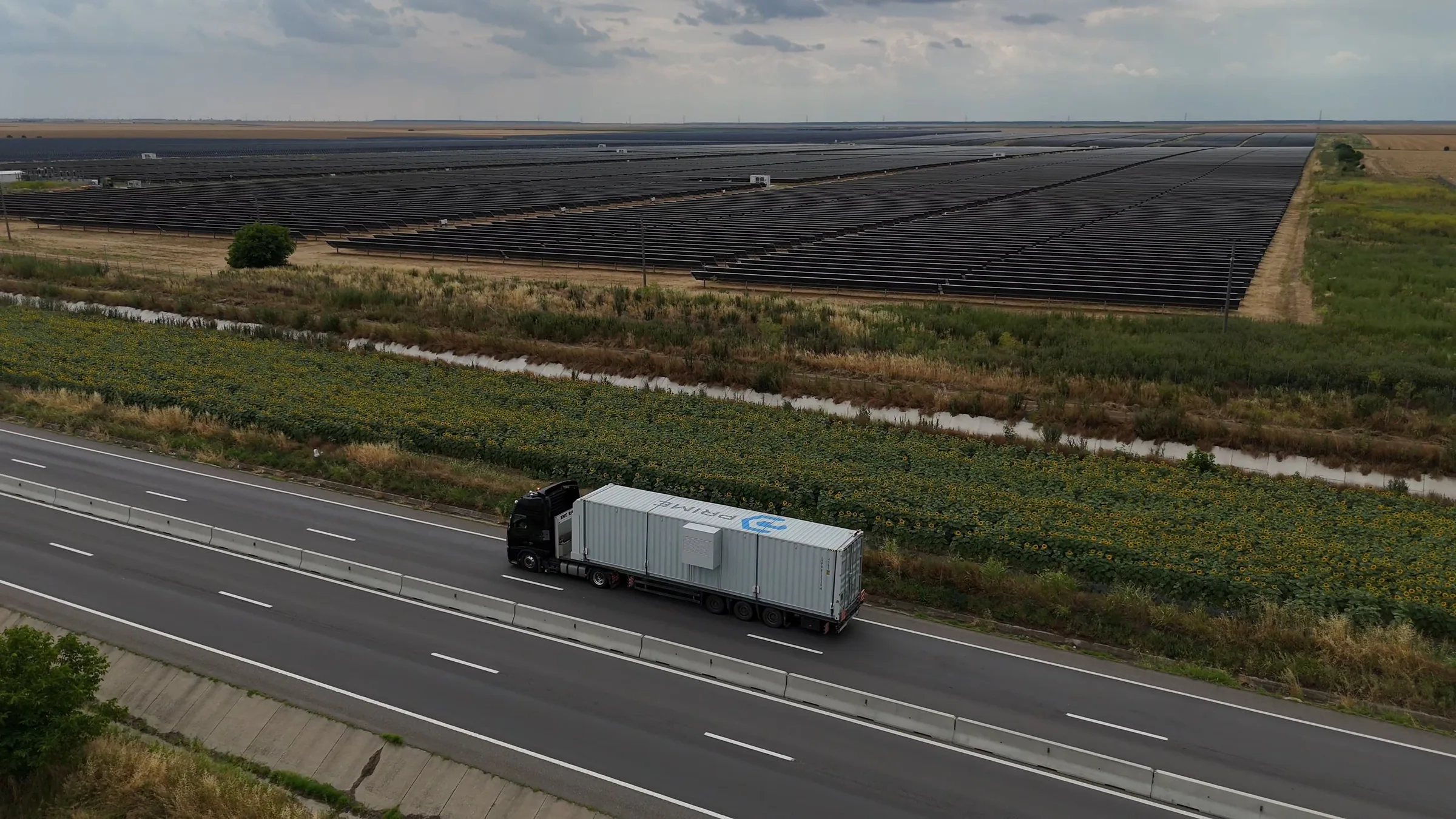
Why Your Solar or Wind Farm Is Only Half the Solution in Renewable Energy
Generating and delivering clean energy are two different problems. Storage turns a variable renewable asset into dispatchable, commercially viable power — and Romania alone needs 4–6 GWh of it.
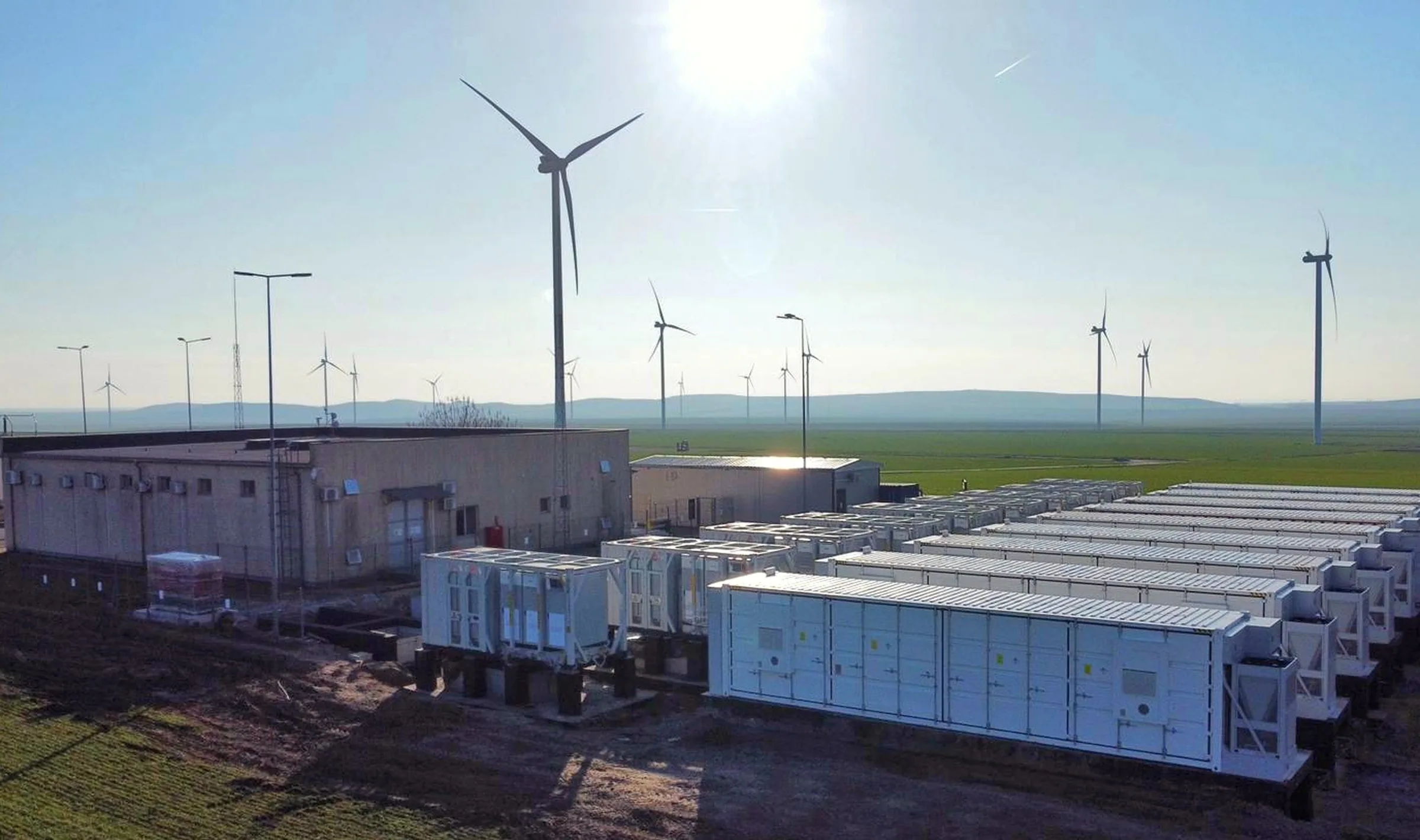
What Makes a Battery System European, and Why It Matters More Than You Think
Where a battery cell is actually manufactured — not the enclosure, not the software, not the registered address — is the question that separates a European battery from a battery sold in Europe.